Uber
Helping reset a global brand for trust, scale, and IPO.
Brief
When Dara Khosrowshahi joined Uber in 2017, the company was under intense internal and external pressure after years of hypergrowth. At the same time, it was evolving from a ride-hailing app into a broader mobility platform, with a growing portfolio of offers, a looming IPO, and a brand system that had become too complex and inconsistent to scale globally. Wolff Olins frames this period as Uber’s transformation from app to mobility company. 
My role
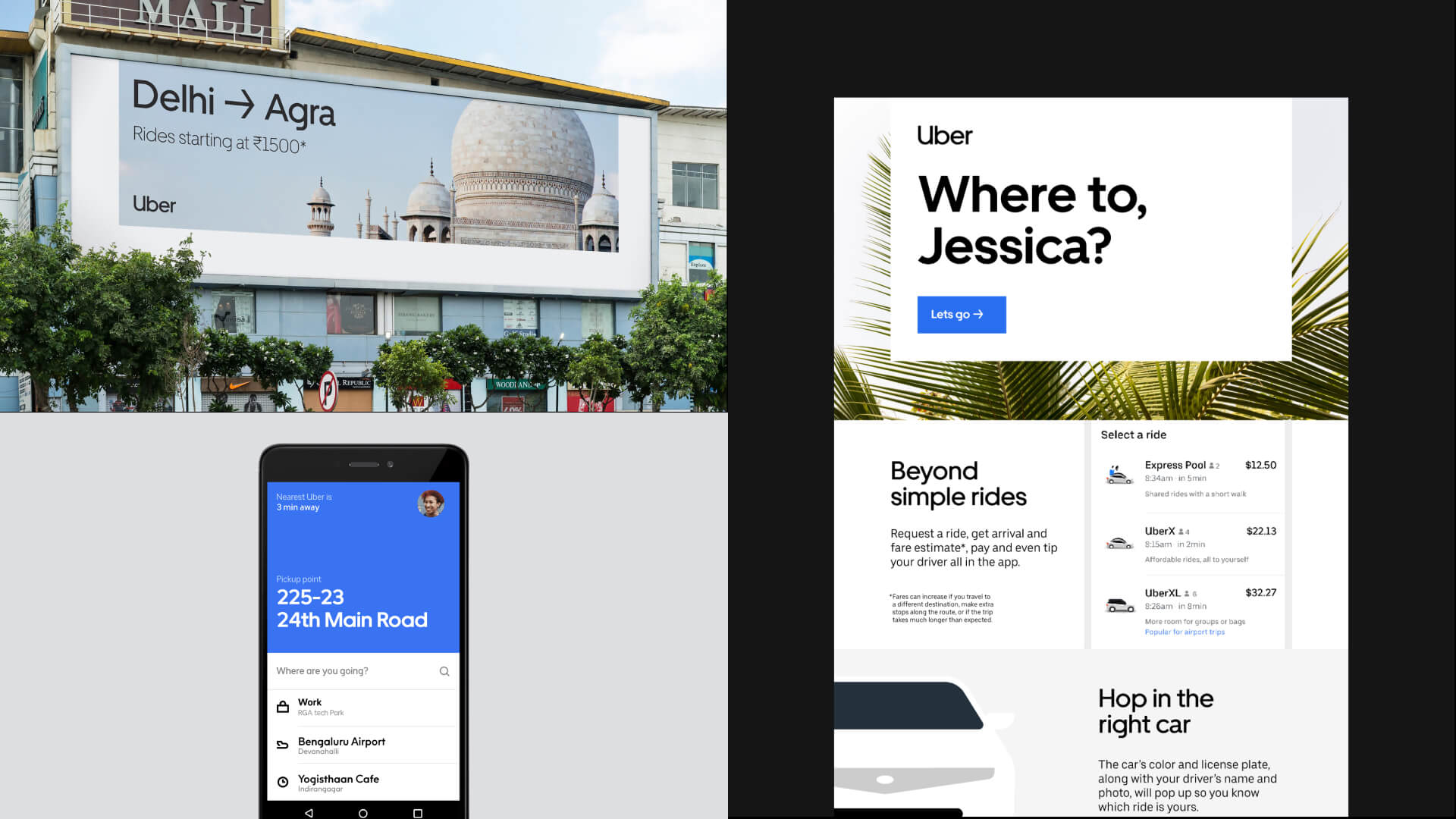
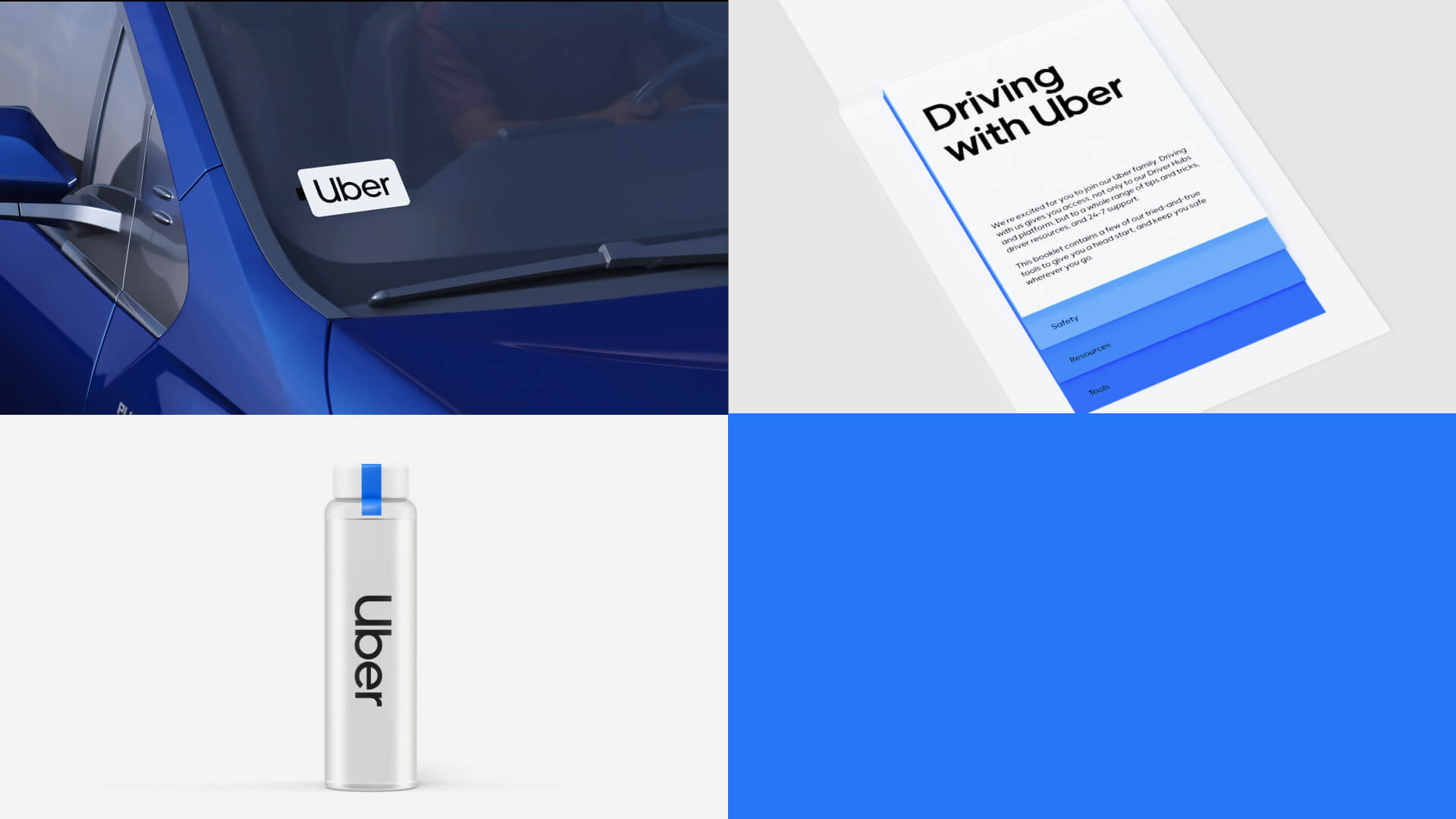
I was brought in to help shape and land the system, working through its scalability with Uber’s global teams. My contribution focused on making the identity more coherent, more flexible, and more usable at scale across markets and touchpoints, spanning the system itself, rollout thinking, and the practical realities of global adoption.
Thinking
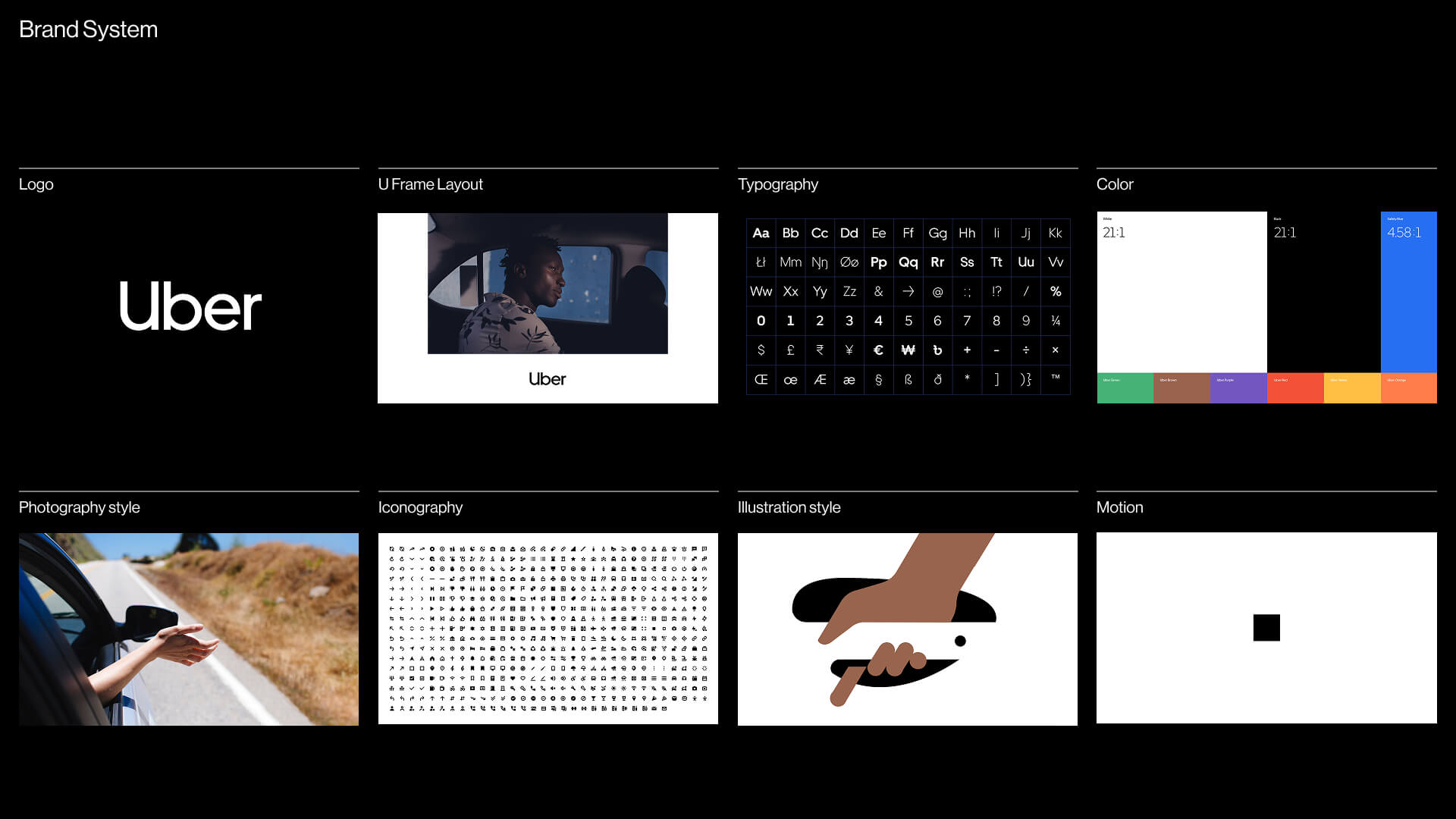
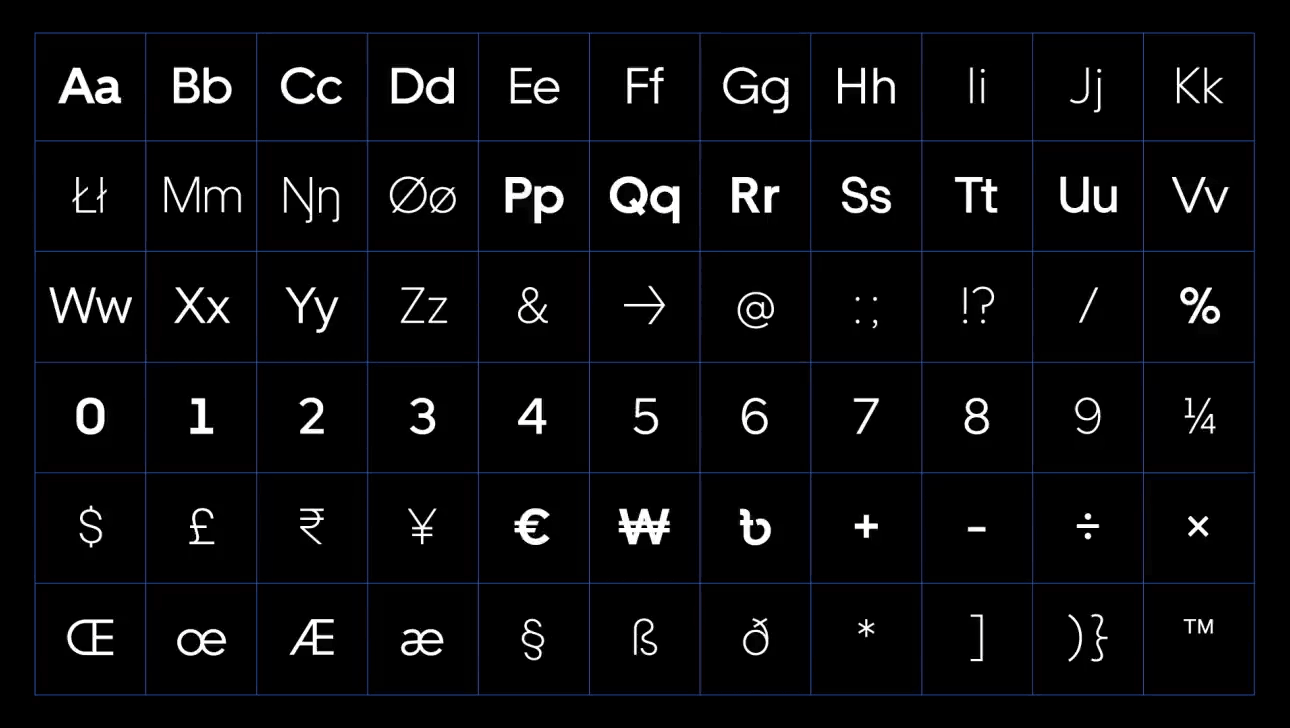
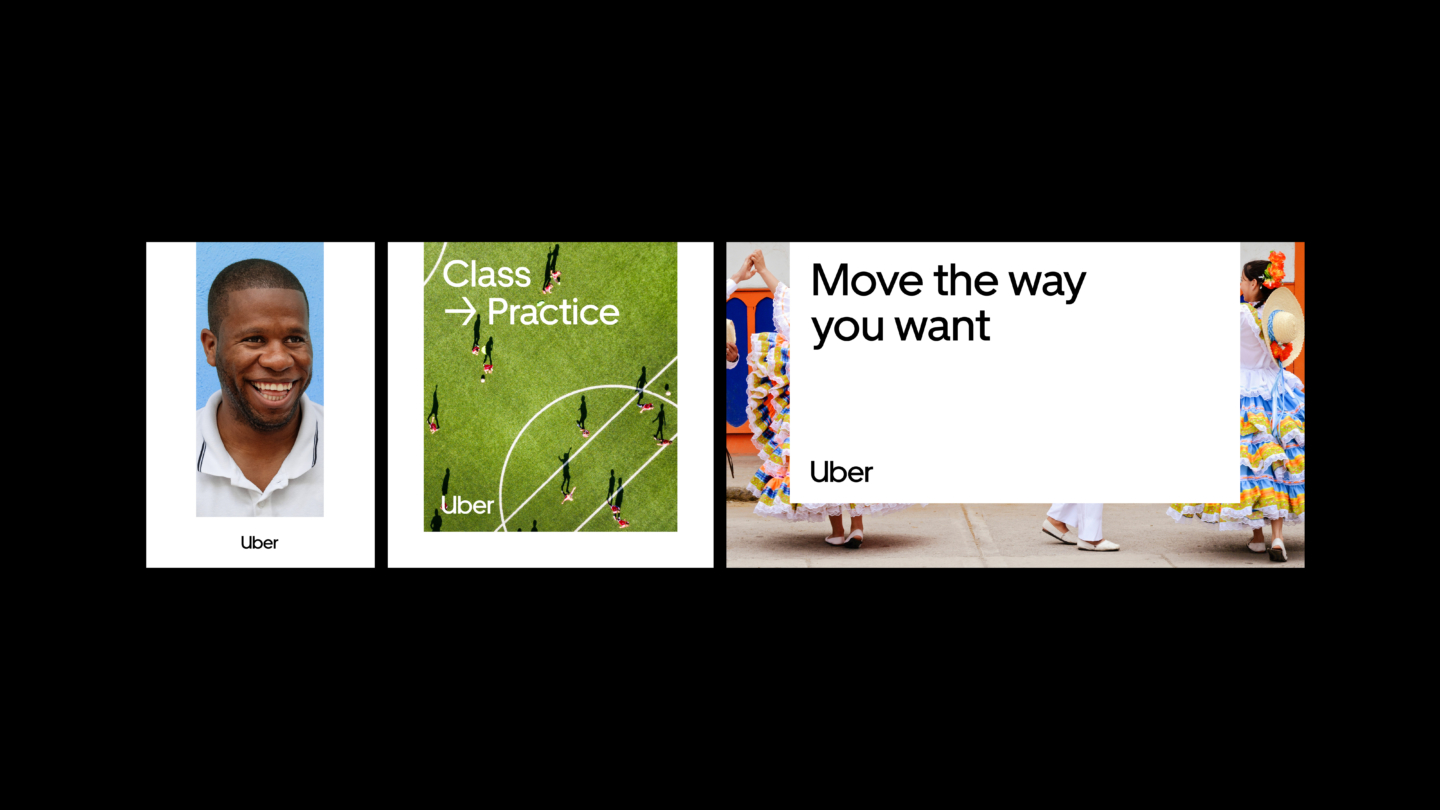
The old identity no longer matched the company Uber was becoming. It was inconsistent, overly complex, and too closely tied to an earlier era of hypergrowth. The new direction created a simpler, more human foundation, one designed to support a broader mobility platform and a more mature global business. Built around the idea that movement creates opportunity, the system brought greater clarity to the architecture and a flexible design language that could work across markets, offers, and touchpoints worldwide. Wolff Olins describes the wider programme as grounding the work in culture while expanding into architecture, new offers, campaigns, and a new identity in service of that transformation. 
Impact
The result was a more coherent global brand at a pivotal moment in the business. It helped Uber show up with greater consistency and confidence across regions, while supporting the company’s wider transition toward IPO. Wolff Olins reports a 51% increase in brand value ahead of the listing, and Reuters reported Uber’s IPO was priced in May 2019 at a valuation of about $82.4 billion. 
Reflection
What mattered most was helping a company of enormous scale feel clearer, more mature, and more trustworthy without losing momentum. The best global systems are not just distinctive, they are built to hold together under pressure.